

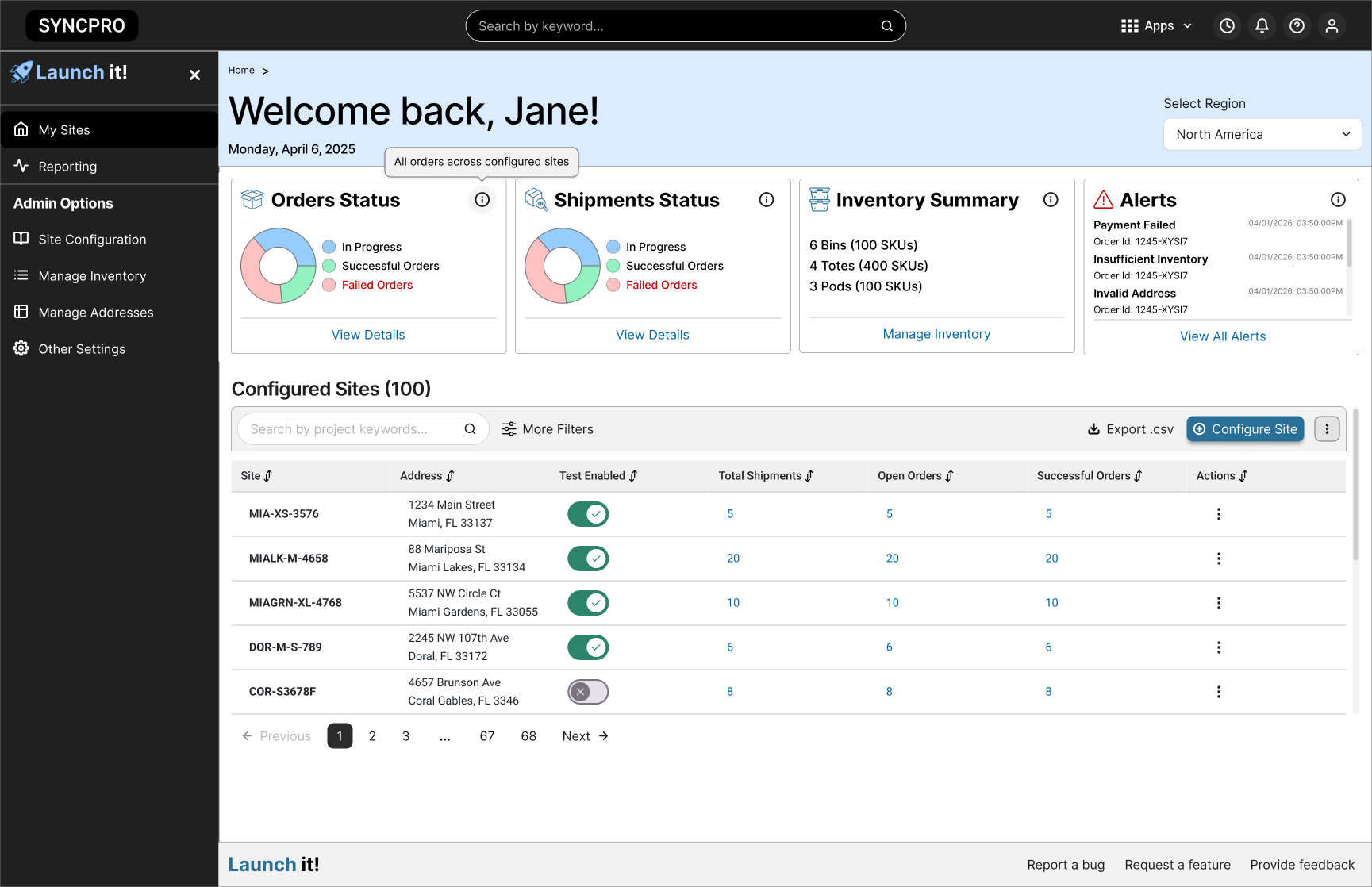
Simplifying Operational Testing for High-Stakes Launch Environments
A 0→1 enterprise platform designed to simplify operational testing, reduce tool fatigue, and help teams configure, execute, and monitor site readiness in one system.
Role: Product Designer
Timeline: 2024-2026
Platform: Web App
🔒For NDA confidentiality purposes
Original product imagery has been omitted.
This case study uses generalized language, and mock data to protect proprietary information while preserving the design process and outcomes.
My Role
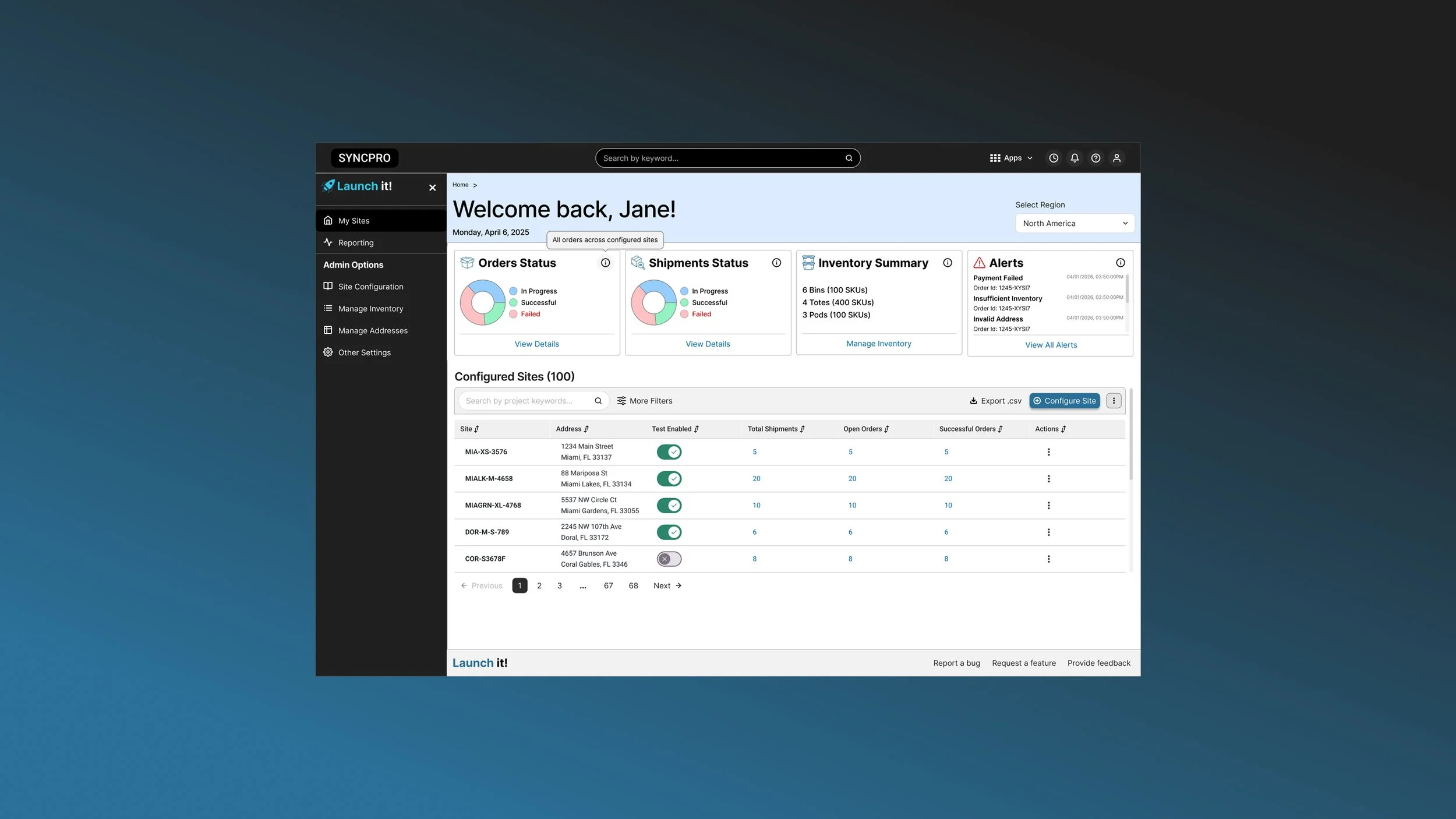
As the product designer on a 0→1 launch readiness testing platform, I led the design of a unified system for configuring sites, managing mock inventory, generating test orders, and monitoring results across operational environments.
✅ I conducted contextual inquiry through multiple site visits
✅ Co-led design discussions with product and engineering
✅ Mapped technical user journeys and simplified complex workflows
✅ Created wireframes and interactive prototypes
✅ Validated concepts through hybrid group sessions and 1:1 usability tests
✅ Advocated for tablet-first responsive design in the field
✅ Helped shape a scalable MVP under tight deadlines
KPI METRICS
USABILITY TESTING
CONTEXTUAL INQUIRY
USER JOURNEY
The Result
A more scalable platform that improved reporting consistency, increased visibility and sped up decision making when deciding whether sites were ready to launch or not.
Days→hours
Reduced Config setup
For admins & testing analysts
4.6/5
UAT/CSAT Metrics
From MVP Launch
~10M
Estimated savings
Delivered with MVP launch
The Challenge
Operational readiness testing relied on fragmented tools, manual workarounds, and spreadsheet-heavy processes that slowed execution and made the workflow harder to scale.
The process was also highly technical and physically demanding for users working in active site environments. Teams needed a simpler way to configure sites for testing, manage mock inventory, generate orders, and monitor results in one system—without depending on disconnected workflows that turned critical setup into days of work.
Opportunities

Simplify technical workflow
How might we reduce the complexity of configuring and running operational testing?
The existing process relied on multiple tools, manual setup steps, and workaround-heavy workflows that made testing slower and harder to scale.

Design for real-world environments
How might we support users working in active site environments, not just at a desk?
Site visits revealed that users were moving through live spaces with heavy laptops, splitting attention between physical walkthroughs and dashboard monitoring.
Unify setup, execution, and monitoring
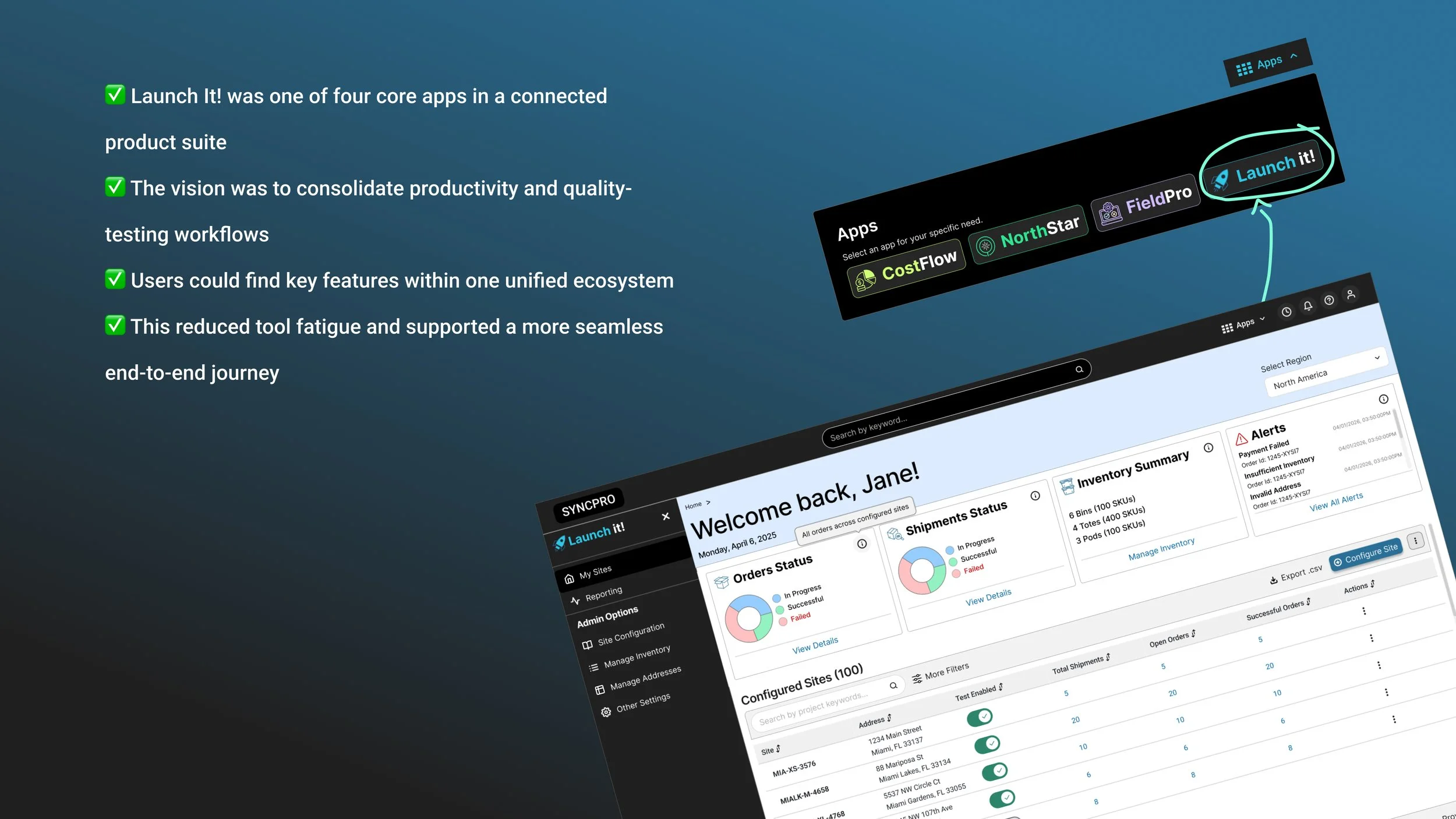
How might we bring key testing activities into one platform?
Users needed a simpler system for configuring sites, managing mock inventory, generating orders, and tracking results in real time.

Defining operational readiness
My Approach
Contextual Inquiry (Site Visits)
Visited live operational environments to observe how users moved through testing workflows, where friction occurred, and how physical conditions shaped the product experience.
This enabled: a more realistic understanding of user pain points beyond what interviews alone could reveal.
Workflow Mapping & MVP Definition
Mapped the end-to-end testing journey and identified the highest-value workflows for phase one, focusing on reducing setup complexity and tool fatigue.
This enabled: a more focused MVP grounded in real user and business needs.
Rapid Prototyping & Live Validation
Used clickable prototypes in hybrid group sessions and 1:1 usability tests, often iterating directly in Figma with users in real time to validate ideas quickly.
This enabled: faster trust, alignment, and confidence that we were building the right solution.
Responsive Design
Advocated for tablet-first layouts, readable dashboards, and intentional interaction patterns to support users actively moving through sites during testing.
This enabled: a more usable product in the field, not just at a desk.
Results and Impact
✅ Faster Test Setup
Reduced a process that once took days into a workflow that could be completed in 1–2 hours.
✅ Accessible in the Field
Tablet-first responsive design improved readability and usability in active site environments.
✅ User Satisfaction
The MVP launched with 4.6/5 UAT and CSAT, earning strong early feedback from users.
✅ Business Value
The MVP phase contributed to an estimated ~$10M in savings through simplification and automation.
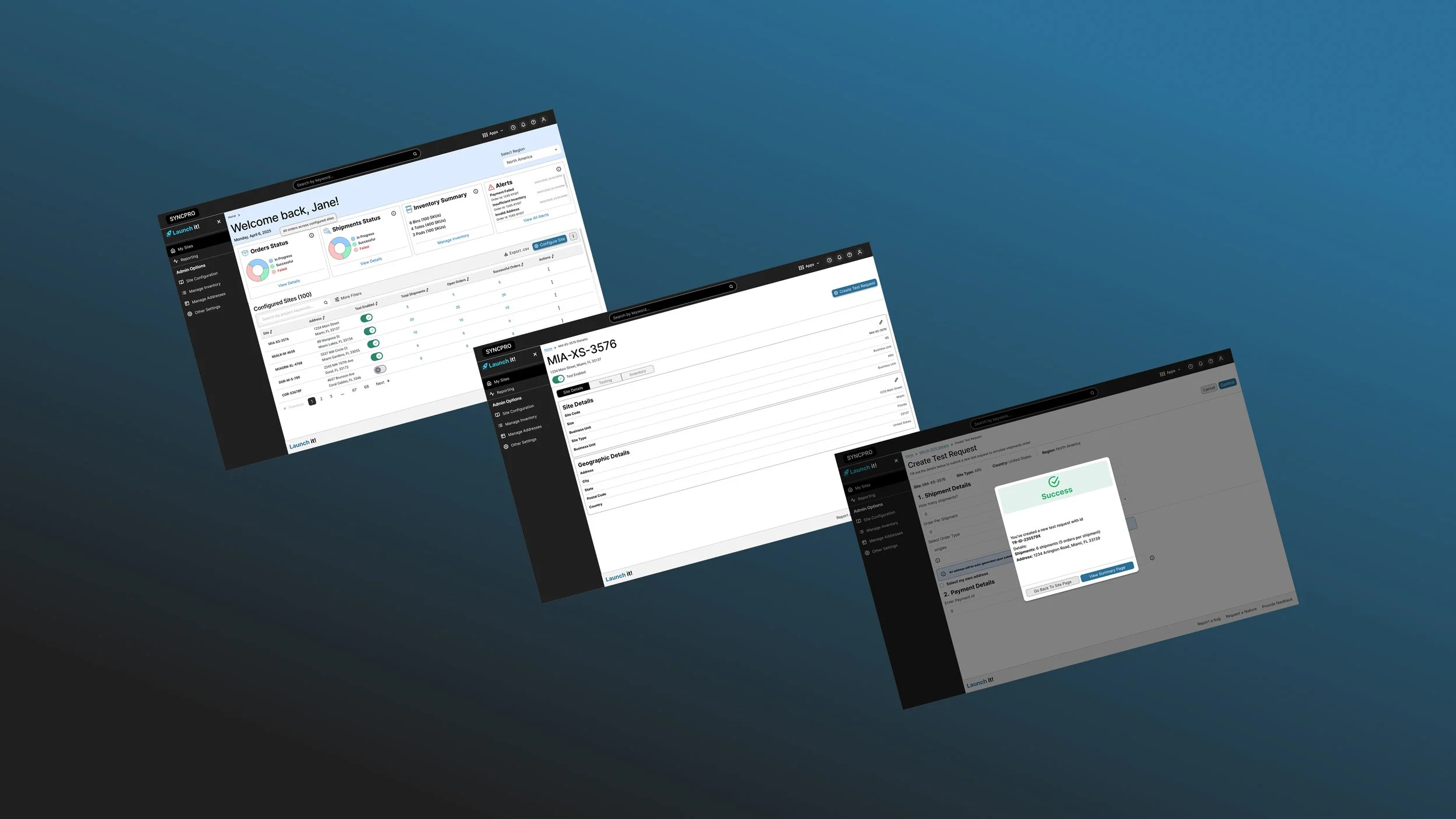
We Simplified.
We Validated.
We Scaled.
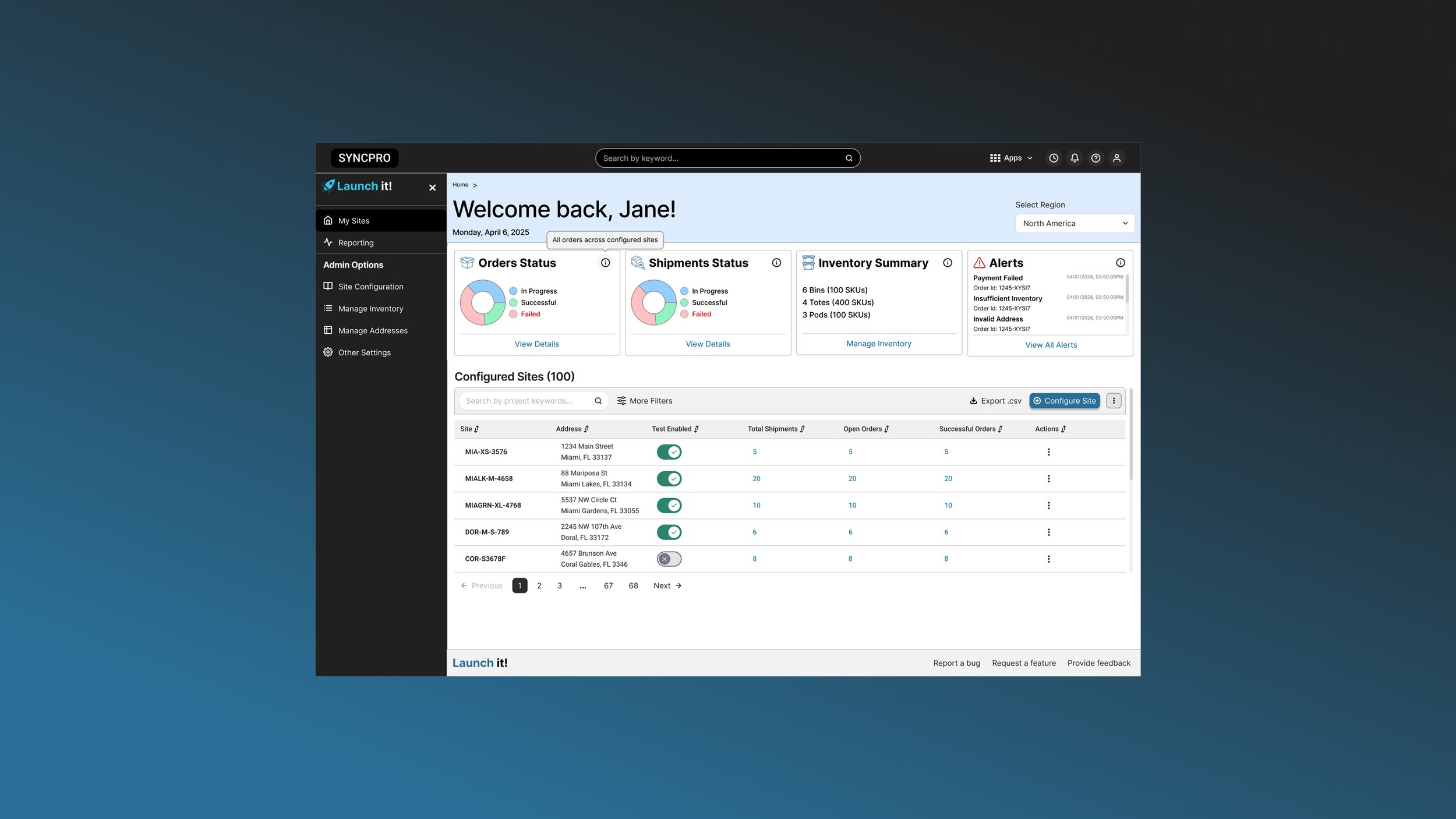
The UI was tested constantly on responsive devices to ensure
✅ User friendliness
✅ Layout and size fit well
✅ Minimalist but functional design
Reflection
This project reinforced that product design rarely goes exactly according to plan. Priorities shift, constraints appear, and timelines force hard decisions. What mattered most was staying adaptable while continuing to keep the user at the center of the work.
It also reminded me that designing for real environments changes everything. Watching users in context shaped better decisions around responsiveness, accessibility, and simplification, and reinforced that the best products come from balancing business needs with what people actually need to succeed.